Emergency Roof Repairs in Sydney: What to Do When Storm Damage Strikes
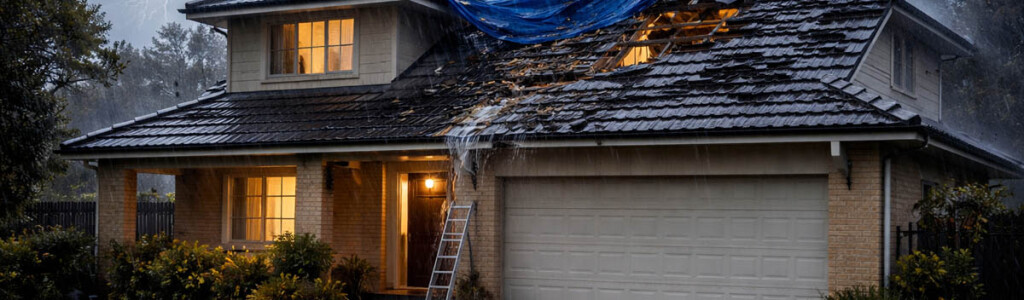
Have you ever woken up at 2:00 AM with water leaking through your ceiling? Or found serious roof damage after an intense Sydney storm? Well, I really hope you've never experienced anything like that! But roof emergencies can happen to any home at any time, and when they do, it can be really stressful. Roofing emergencies can pose immediate safety hazards, threaten your home's structural integrity, and lead to expensive water damage if not addressed quickly.
But don't panic! This blog post is here to help homeowners categorise their damage, mitigate immediate risks, and understand the professional Sydney roof repair process. I'll explain exactly what to do when you identify a roof emergency, so you can be confident and prepared. You'll also learn how to apply safe temporary fixes, how to prevent future roof repair emergencies and much more! So let's get straight into it.
How to Identify A Roof Emergency
Not every roof leak is urgent, but when it is, you need to call for immediate emergency roof repairs. But how do you know if you have a minor leak or an emergency on your hands? Here are four signs to look out for that can help you identify a roof repair emergency:
Severe Structural Damage: This is a clear emergency, especially if a tree has fallen onto your roof or if sections have visibly collapsed. These incidents can compromise the entire structure of your home, making it unsafe to remain inside.
High-volume water ingress: If rainwater is pouring in faster than buckets can handle, it poses a serious risk to ceilings, flooring, and electrical systems.
Fire damage: This may not always be obvious. Even if your roof appears intact, extreme heat can weaken shingles, flashing, and underlayment, leaving the structure vulnerable to further damage.
Electrical Hazards: Water entering ceiling fixtures or consumer units creates a significant fire and electrocution risk, an urgent situation that will need professional roof repair.
If you're experiencing a roof issue and feel unsure or unsafe, it's best to contact a licensed Sydney emergency roof repair professional, and they'll help you properly identify the issue.
What To Do In A Roof Repair Emergency
Okay, so you've identified a roof repair emergency, now what? The first 60 minutes are crucial. Think of it as emergency triage! Your goal is to minimise damage, ensure safety, and buy time until help arrives from the professionals. Here are three vital steps you need to take when you discover a roof emergency:
Start with containment. Place buckets or large containers under active leaks. A handy trick is to tie a string to the ceiling at the leak point. Water will follow the string and drip directly into the container, reducing splashing and spreading.
Next, look out for ceiling bulges. These are signs of water pooling above plasterboard or gyprock. If safe to do so, use a screwdriver to carefully puncture the lowest point of the bulge, allowing the water to drain in a controlled way. This can help prevent a sudden, damaging collapse!
Protect your possessions by moving electronics, rugs, and furniture away from the leak. If moving items isn't possible, cover them with plastic sheeting or garbage bags as a temporary barrier.
While these steps won't fix the problem, they help you stabilise the situation until professional Sydney roof repair can be arranged.

What Not To Do in A Roof Repair Emergency
In a roof repair emergency, knowing what not to do is just as important as taking the right steps. Your safety and that of others must come first.
Never climb onto the roof, especially during or straight after a storm. It can be tempting to go grab a ladder and assess the damage, but this is really unsafe. According to the Australian Institute of Health and Welfare, ladder-related falls account for a large number of hospital admissions in Australia every year. It's really important to follow Safe Work Australia's guidelines on working safely at heights when carrying out any elevated work. If you don't have the necessary safety gear and training, please stay safe and leave it to the professionals!
Avoid the roof during active weather. Even if you are following all the right safety protocols, rain, lightning, and high winds make roof surfaces slippery and unpredictable. Attempting a DIY inspection during these conditions puts you at high risk of having a serious accident!
Be aware of power lines. After severe storms, fallen branches or debris may bring down overhead lines. If you notice any near or on your roof, stay well clear and contact your electricity provider immediately.
When in doubt, leave it to the professionals. Emergency roof repairs in Sydney should always prioritise safety over speed.
How to Assess Damage from the Ground
You don't need to climb onto your roof to get a good sense of the damage! In fact, staying on the ground is the safest way to be a "roof detective" after a storm or leak, especially while waiting for roof repair professionals to arrive.
The first thing you will need is a pair of binoculars. From a safe distance, you can use the binoculars to scan your roof for obvious signs, such as missing or cracked tiles, lifted flashing, dislodged ridge capping, or visible debris, such as branches. Pay close attention to valleys, chimneys, and skylights as these are common problem areas.
Next, you can inspect your attic or roof cavity, if you can safely access it. Look for daylight peeking through roof boards, water stains on rafters, and damp or sagging insulation. These are all big indicators of potential leaks or compromised roofing materials.
Finally, you can perform a ground-level checklist. Check for shingle granules in the gutters, pieces of tile on the lawn, or signs of water pooling near the base of your home.
These observations will be very helpful when speaking to your Sydney roof repair team, helping them respond faster and more effectively. But most importantly, these methods help you assess the damage without putting yourself at risk!
Temporary DIY Roof Repair Solutions
If, and only if, it's safe to do so and you have the correct safety gear (non-slip boots, harness, ladder stabilisers), there are a few temporary measures you can take while waiting for professionals to arrive.
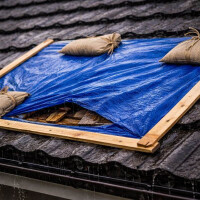
Tarping is the most effective short-term fix. This involves using a heavy-duty polyethene tarp large enough to cover the damaged area, and extending it over the roof ridge to prevent water from running underneath. It’s important to avoid nailing directly into tiles or shingles, though. Instead, secure the tarp with furring strips (thin wooden battens) that are stapled or nailed to the tarp edges. Then, anchor the strips at the eaves or overhangs, not into the roof itself!
For minor cracks or small punctures, roofing tape or emergency sealants can provide a temporary seal. These products work best on clean, dry surfaces and are suitable for flashing, vents, or gutter joints. But remember, they are not a solution for structural damage or widespread leaks!
These are temporary fixes to help tide you over until help arrives. When facing a roof crisis, always prioritise safety and call a professional Sydney emergency roof repair team as soon as possible.
Professional Emergency Roof Repair in Sydney
So how do you know which professional roof repair team to call? Here are some top tips for choosing the best emergency roof repair team in Sydney!
Firstly, avoid storm chasers or cash-in-hand operators who appear after major weather events. Quality emergency roof repair requires expertise, not quick fixes! Look for a specialist with 24/7 availability, rapid response times, strong local reviews, and proper licensing or accreditation, such as membership with the Master Roof Tilers & Slaters Association or relevant NSW building authorities.
You should also check for local experience! Sydney's unique climate, roofing materials, and council regulations require specialised knowledge. Read reviews, ask for recent references, and confirm that the team provides written quotes and warranties for all work.
It's also worth checking if the company can assist with insurance documentation, which can streamline your claims process! Typing 'emergency roof repairs Sydney' into your search engine will bring up lots of local results for you to choose from.

How To Prevent Future Roof Repair Emergencies
Now you know how to handle a roof emergency! But is there a way to prevent them in the first place? While emergency roof repairs are sometimes unavoidable, many costly disasters can be prevented with proactive roof maintenance.
Annual inspections are a vital part of roof maintenance. Ideally, you should get a roof inspection done before winter. A professional roofer can spot early signs of wear, sealant failure, or tile displacement, issues that often go unnoticed until heavy rain or wind exposes them.
Gutter maintenance is also really important! Blocked gutters and downpipes can cause water to back up under shingles or tiles, leading to hidden leaks and internal damage. Clean your gutters at least twice a year and after major storms.
Vegetation Management is another great way to prevent roof emergencies. Overhanging branches can scrape roofing materials, clog gutters, or fall during high winds. Aim to keep tree limbs at least two metres from your roofline.
Carrying out these simple but effective roof maintenance tasks will go a long way toward preventing roof issues. But if you do experience a roof repair emergency, acting quickly and safely is essential. While a roof is a complex system, approaching the situation calmly and methodically, from initial damage assessment to professional repair, can prevent serious interior damage and save you thousands in repairs!